
Getting™ Started | Ledger® Live: Desktop® — official
Understand Ledger Live Desktop with a practical overview of its role in Ledger wallet management, including device connectivity, account access, asset tracking, and application management.
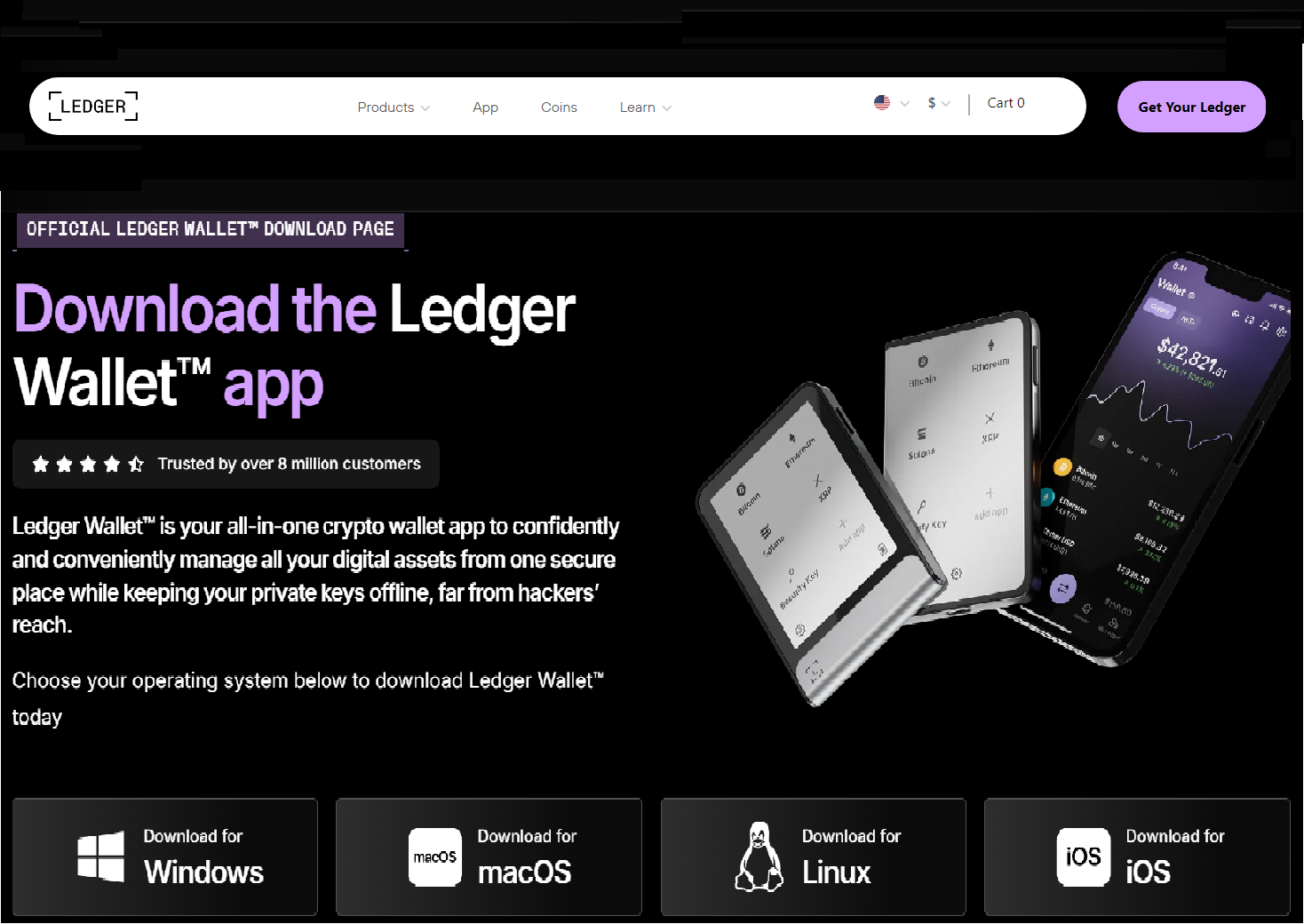
Ledger Live Desktop: A Practical Guide to Crypto Wallet Management
Managing cryptocurrency securely requires more than simply having a wallet address. Users need a reliable interface for checking accounts, organizing assets, reviewing transactions, and interacting with a hardware wallet. Ledger Live Desktop has traditionally provided this desktop-based experience for Ledger users, combining wallet management tools with the security of a compatible Ledger hardware device.
Today, Ledger is transitioning the Ledger Live name toward Ledger Wallet, so users searching for ledger live desktop may encounter both names across current and older resources. The underlying idea remains the same: provide a convenient software interface while using the Ledger hardware wallet as an important security component.
Understanding Ledger Live Desktop
Ledger Live Desktop is commonly used to describe the desktop version of Ledger's wallet-management application. It allows users to interact with supported cryptocurrency accounts from a computer rather than relying entirely on a mobile interface.
The application can help users view account information, organize supported assets, install blockchain applications, and initiate cryptocurrency transactions. Additional services may also be available depending on the asset, region, account, and current application features.
The desktop application itself should not be confused with the physical hardware wallet. Each component has a different purpose within the overall setup.
How the Desktop and Hardware Wallet Work Together
A hardware wallet and its companion application work as complementary components.
The desktop application provides the visual interface where users can review information and prepare actions. The Ledger device provides a dedicated environment for protecting sensitive credentials and confirming transactions.
This separation is important because users should not treat the desktop application as the only security component. Before approving a transaction, information should be carefully checked on the physical Ledger device whenever the workflow provides those details.
Understanding this relationship makes it easier to use the wallet responsibly.
Getting Started With Ledger Live Desktop
Before beginning, prepare a secure computer and a genuine Ledger hardware wallet. The computer should have current security updates, and the user should avoid downloading wallet software from unknown sources.
It is also useful to have enough time to complete the setup without distractions. Cryptocurrency transactions and wallet initialization involve security-sensitive information, so rushing through the process can lead to mistakes.
Most importantly, keep recovery information private throughout the entire setup.
Downloading the Correct Application
Users looking for ledger live desktop should obtain the application through an official Ledger channel. Product naming may vary because Ledger has been transitioning from the Ledger Live branding to Ledger Wallet.
The desktop application supports major operating systems such as Windows, macOS, and Linux.
After downloading the appropriate installer, complete the installation using the instructions provided by the operating system. Avoid unofficial installers, modified software packages, and links received from unknown individuals.
A familiar logo does not automatically mean that a download is legitimate.
Connecting Your Ledger Device
Once the application is installed, connect the Ledger hardware wallet to the computer using the supported connection method. Unlock the device when prompted and follow the onboarding instructions displayed by the application.
Depending on the device and current software version, you may be guided through different setup or account-management steps.
During this stage, pay attention to the information shown on the hardware wallet. If the computer displays one set of transaction details but the device shows something unexpected, stop before approving anything.
Managing Blockchain Applications
Different cryptocurrency networks may require their own applications on a compatible Ledger device. The desktop wallet interface can help users manage these applications and prepare the device for supported assets.
Keeping only the applications you actually need can make device management easier. Users should also pay attention to available storage and update notifications when maintaining their device.
Application management is one reason a desktop interface can be useful for people who regularly work with several blockchain networks.
Organizing Cryptocurrency Accounts
After the required applications are available, users can create or manage compatible accounts. A well-organized account structure can make it easier to distinguish between different assets, networks, or personal purposes.
For example, someone managing several supported cryptocurrencies may prefer clearly identifiable accounts rather than relying on memory.
Before receiving funds, always confirm that the selected account supports the intended asset and network.
Checking Your Portfolio
Ledger Live Desktop can provide a central place to review supported cryptocurrency holdings. Depending on the current version and available services, users may be able to view account balances, transaction activity, and other portfolio information.
A desktop display can be particularly convenient when monitoring several accounts at once.
However, portfolio values shown in an application can change as cryptocurrency market prices move. A displayed fiat value should therefore be viewed as an estimate rather than a guaranteed amount.
Receiving Cryptocurrency Correctly
Receiving cryptocurrency generally requires sharing a wallet address with the sender. Before providing an address, confirm that it belongs to the correct account and is compatible with the intended cryptocurrency network.
If available, verify the receiving address using the Ledger hardware wallet. This extra check can help ensure that the address being used is the one you actually intended to provide.
Never rely only on the first or last few characters of an address when making an important transfer.
Sending Cryptocurrency With Greater Care
Sending funds requires careful verification because blockchain transactions can be difficult to reverse.
Before approving a transaction, review the recipient address, asset, network, amount, and transaction fee. Then compare the important details with the information displayed on the Ledger device.
If the details are different from what you expected, do not approve the transaction. Investigate the issue first.
Taking an extra minute to verify a transaction can be far more valuable than trying to recover funds after an incorrect transfer.
Protecting Your Recovery Phrase
Your recovery phrase should remain private at all times. It is not a normal password and should not be entered into Ledger Live Desktop, a website, an email, or a customer-support chat unless an official device workflow explicitly requires a legitimate setup step.
Be suspicious of anyone who asks for your complete recovery phrase. A person claiming to be a support representative should not need your secret recovery information.
Store recovery information securely and separately from your everyday computer environment.
Recognizing Fake Wallet Websites
Searches for ledger live desktop, ledger.com/start, ledger login, or Ledger Live can sometimes produce misleading websites or advertisements.
Before downloading software or entering sensitive information, verify the website domain and source. Avoid links sent through unsolicited messages and be especially cautious about pages claiming that your wallet has been suspended, compromised, or urgently requires verification.
Scammers often create urgency because they want users to act before thinking.
Maintaining Your Wallet Environment
Keeping the application, Ledger device, and computer updated can help maintain compatibility and security. Updates should be obtained through legitimate channels rather than random download sites.
Users should also periodically review their account organization and remove unnecessary confusion from their wallet setup.
A clean and consistent environment makes it easier to identify unexpected activity.
Common Errors to Avoid
Several mistakes can create unnecessary risk when using Ledger Live Desktop. Installing unofficial software, sharing recovery information, selecting an incompatible network, ignoring transaction details, and approving unfamiliar requests are among the most important issues to avoid.
Another mistake is assuming that a desktop application alone protects cryptocurrency. The overall security model depends on the hardware wallet, recovery information, software environment, and the user's own decisions.
Creating a Safer Ledger Routine
Good cryptocurrency security becomes easier when it turns into a routine.
Start with official software, protect the recovery phrase, keep the hardware device under your control, verify wallet addresses, check transaction information on the device, and avoid responding to unexpected support messages.
When these habits become normal, using ledger live desktop becomes a more structured and confident experience.
Final Thoughts
Ledger Live Desktop provides a practical way to manage supported cryptocurrency accounts from a computer while working alongside a Ledger hardware wallet. The application offers the interface for account management and other wallet functions, while the physical device plays an important role in transaction authorization and security.
For anyone beginning with ledger.com/start or searching for ledger live desktop information, learning how the software and hardware work together is an important first step. Rather than focusing only on convenience, users should build their wallet routine around verification, privacy, secure software sources, and careful transaction approval.
Updated about 5 hours ago