
Ledger Live Desktop® — Getting Started | Official Ledger
Understand Ledger Live Desktop with a practical overview of desktop wallet management, Ledger hardware connectivity, account monitoring, supported applications, and secure crypto transaction processes.
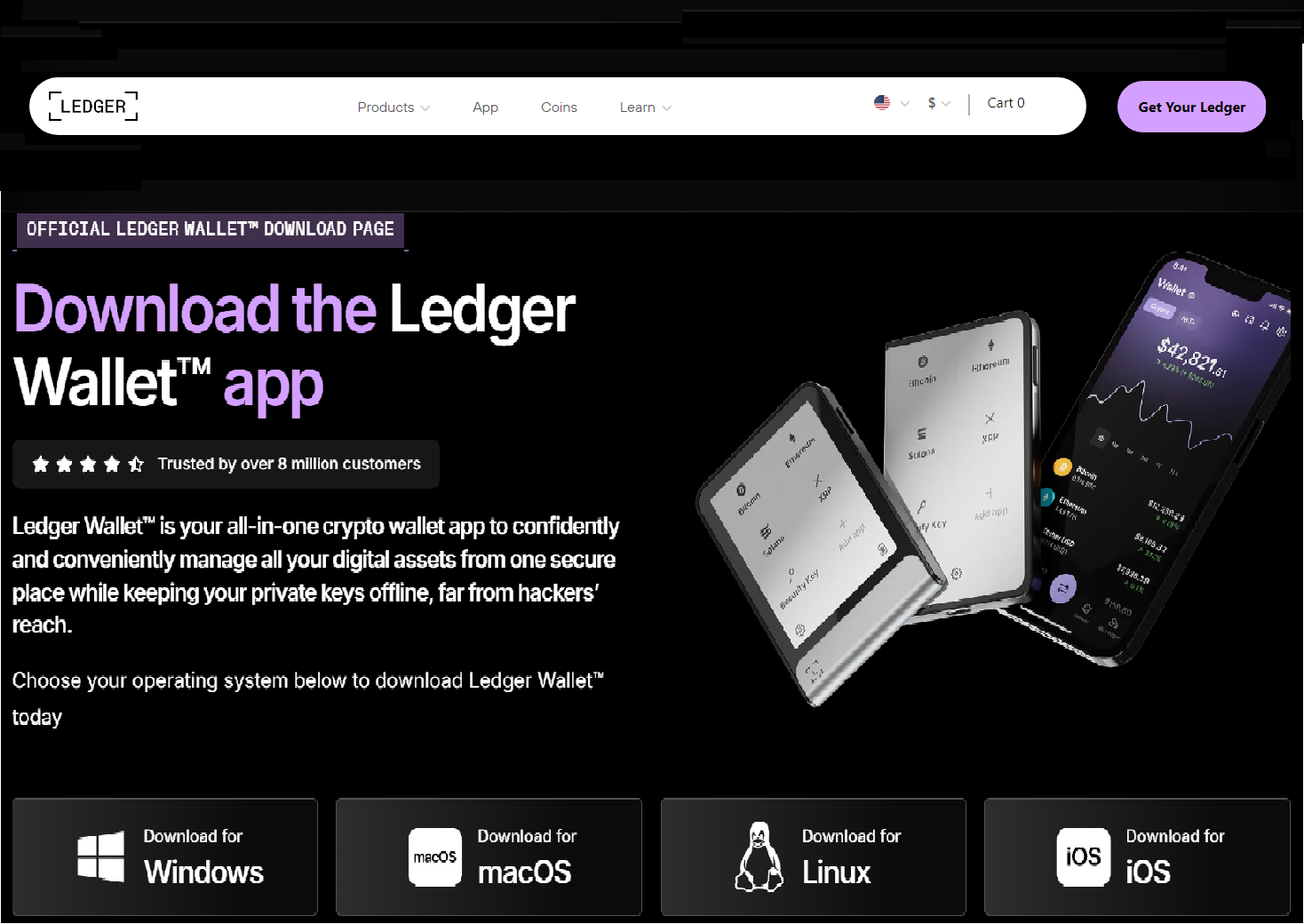
Ledger Live Desktop: A Complete Guide to Managing Your Crypto Wallet
Managing cryptocurrency requires a combination of reliable tools, careful transaction practices, and strong security habits. For Ledger hardware wallet users, Ledger Live Desktop provides a convenient interface for accessing wallet accounts, reviewing portfolio information, monitoring transactions, and interacting with supported digital assets.
A desktop wallet application can make cryptocurrency management easier because users can view important account information on a larger screen. At the same time, the physical Ledger device remains an important part of the security process by providing a separate environment for protecting private keys and approving sensitive operations.
This guide explains how Ledger Live Desktop fits into the overall wallet experience and covers important considerations for setup, account management, transactions, and security.
What Is Ledger Live Desktop?
Ledger Live Desktop is the desktop-based wallet management application associated with Ledger hardware wallets. It provides an interface through which users can connect their device and access supported cryptocurrency accounts.
The application can be used on compatible desktop operating systems and is designed to bring different wallet-management functions together in one environment.
Depending on the supported asset and available features, users may be able to check balances, review transaction history, manage accounts, install supported blockchain applications, and perform other wallet-related activities.
The desktop application is primarily the management interface. The connected hardware wallet remains an important security component when authorizing transactions and handling private keys.
Why Use a Desktop Wallet Interface?
Managing cryptocurrency through a desktop application can be useful for users who want a larger and more organized workspace.
A desktop interface can make it easier to review account balances, compare transaction information, monitor multiple assets, and navigate different wallet functions.
Users who manage several cryptocurrency accounts may also find a desktop environment more convenient than switching between multiple smaller screens.
However, convenience should never replace security. A larger interface does not protect users from phishing websites, malicious software, fraudulent applications, or social-engineering attacks.
Getting Ready for Ledger Live Desktop
Before installing Ledger Live Desktop, make sure you are using a trusted computer.
Keep your operating system reasonably updated and avoid installing the wallet application on a computer that you suspect may contain malware.
Download the application only through a legitimate Ledger source. Avoid random download pages, unofficial software repositories, advertisements, or links received through unexpected emails and messages.
It is also useful to complete your wallet setup in a private environment. Sensitive wallet information should not be visible to people nearby.
Installing the Desktop Application
Once you have obtained the appropriate application from a trusted source, follow the installation instructions for your operating system.
The setup process may differ depending on whether you are using Windows, macOS, or another supported desktop platform.
After installation, open the application and review the available onboarding instructions.
If the application displays a request for sensitive recovery information that you did not expect, stop before continuing. Recovery credentials should remain private and should not be provided simply because a screen or message asks for them.
Connecting Your Ledger Hardware Wallet
After installing the application, connect your Ledger hardware wallet using the supported connection method.
The device may need to be unlocked before the desktop application can communicate with it.
Follow the instructions shown by both the application and the physical device.
When an important operation requires confirmation, pay attention to the information displayed on the hardware wallet itself. This can help you identify differences between the transaction you intended to make and the transaction being presented for approval.
Never approve an unexpected operation simply because the computer screen looks familiar.
Setting Up Cryptocurrency Accounts
After connecting the device, users can set up supported cryptocurrency accounts through the available wallet interface.
The exact process can vary according to the cryptocurrency and current software features.
When creating an account, carefully select the appropriate asset and network. Cryptocurrency networks are not always interchangeable, and selecting an incorrect network can create significant problems during transfers.
If you manage several assets, use clear account names or organizational practices that make it easy to identify each account.
Monitoring Your Crypto Portfolio
Ledger Live Desktop can provide a convenient way to review supported cryptocurrency holdings from a single desktop interface.
Users may be able to view account balances, examine transaction history, and monitor changes across different accounts.
Portfolio information can be useful for understanding your overall holdings, but displayed values can change as cryptocurrency market prices move.
For this reason, portfolio estimates should not be interpreted as fixed values.
Regularly reviewing account activity can also help users notice transactions they do not recognize.
Receiving Cryptocurrency Through Ledger Live Desktop
Receiving cryptocurrency requires users to select the correct account and provide an appropriate receiving address.
Before sharing an address, check the cryptocurrency and network carefully.
If the wallet interface provides a verification option through the hardware device, use it to confirm that the address displayed by the software matches the information shown on the physical wallet.
For larger transfers, take additional time to verify the details before providing the address.
Once the transfer has been made, review the relevant account and transaction information to confirm that the funds have arrived correctly.
Sending Cryptocurrency Safely
Sending cryptocurrency should always be treated as a security-sensitive action.
Before approving a transaction, review the destination address, cryptocurrency, amount, network, and transaction fee.
Do not assume that the information shown on your computer is automatically correct. Malware or other unwanted software can potentially interfere with information displayed on a compromised computer.
When the transaction details appear on the Ledger hardware wallet, compare them carefully with what you intended to send.
If anything appears incorrect or unexpected, do not approve the transaction.
Taking a few extra seconds to verify the details can help prevent avoidable mistakes.
Protecting Your Recovery Information
Your recovery information is among the most sensitive information associated with a self-custody wallet.
Keep it private and store it securely.
Do not type recovery information into websites, online forms, emails, chat applications, or social media messages.
Avoid taking digital photographs or screenshots of the recovery information. Digital copies can potentially be exposed if a device or account becomes compromised.
Someone who obtains your recovery credentials may potentially gain access to the associated wallet, which is why this information should never be shared with another person.
Avoiding Fake Ledger Software
One of the major risks facing cryptocurrency users is downloading counterfeit wallet software.
A fake application can look almost identical to a legitimate wallet program while attempting to collect passwords, recovery information, or other sensitive details.
Before installing Ledger Live Desktop, verify that you are using an authentic source.
Be especially careful with sponsored search results, pop-up advertisements, private messages, and unexpected support links.
If someone sends you a message claiming that your wallet requires immediate verification, do not automatically follow the provided link.
Instead, access the legitimate Ledger website independently and check the information through trusted resources.
Keeping Your Desktop Wallet Updated
Software maintenance is another important part of responsible wallet management.
When updates are available, verify that they originate from a trusted Ledger source before installing them.
Do not download update files from unknown websites simply because they use familiar branding.
During an update or device-management process, read the instructions carefully and avoid disconnecting the hardware wallet unless instructed to do so.
Keeping both the computer environment and wallet software maintained can help provide a more reliable experience.
Common Ledger Live Desktop Mistakes
New users can encounter several common problems when beginning with desktop wallet software.
One mistake is installing the application from an unofficial source.
Another is approving a transaction without carefully checking the information displayed on the hardware wallet.
Some users may also select an incorrect network when transferring cryptocurrency.
Storing recovery information in cloud storage, email, screenshots, or ordinary text documents is another risky practice.
Users should also avoid trusting people who contact them unexpectedly and claim to provide wallet support. Never provide confidential recovery information simply because someone says they can help resolve a wallet problem.
Creating a Safer Wallet Routine
Good security is easier to maintain when it becomes part of your normal routine.
Before using Ledger Live Desktop, verify that you are using the correct application.
Before receiving funds, confirm the account, asset, network, and address.
Before sending funds, review the transaction information on the hardware wallet.
Keep your recovery backup private and physically secure.
When you receive an unexpected warning or support request, slow down instead of reacting immediately.
Scammers frequently use urgency to encourage users to ignore normal security procedures. Taking time to verify information can provide an important layer of protection.
Final Thoughts
Ledger Live Desktop provides a convenient environment for users who want to manage cryptocurrency accounts alongside a Ledger hardware wallet. The application can simplify portfolio monitoring, account management, transaction review, and other everyday wallet activities.
However, the software should be viewed as part of a broader security system rather than as the entire wallet itself. The hardware device, recovery backup, computer environment, and user's security habits all contribute to the overall experience.
For a safer Ledger Live Desktop routine, use trusted software sources, protect your recovery information, keep your wallet environment maintained, and carefully verify every important transaction on the physical device.
By combining the convenience of desktop wallet management with consistent security practices, users can build a more organized and responsible approach to managing their cryptocurrency.
Updated about 5 hours ago