
Ledger® Live Wallet— Getting Started™ | official Ledger™
Understand Ledger Live Login with a practical overview of wallet access, compatible Ledger device connections, account management, transaction confirmation, and crypto security best practices.
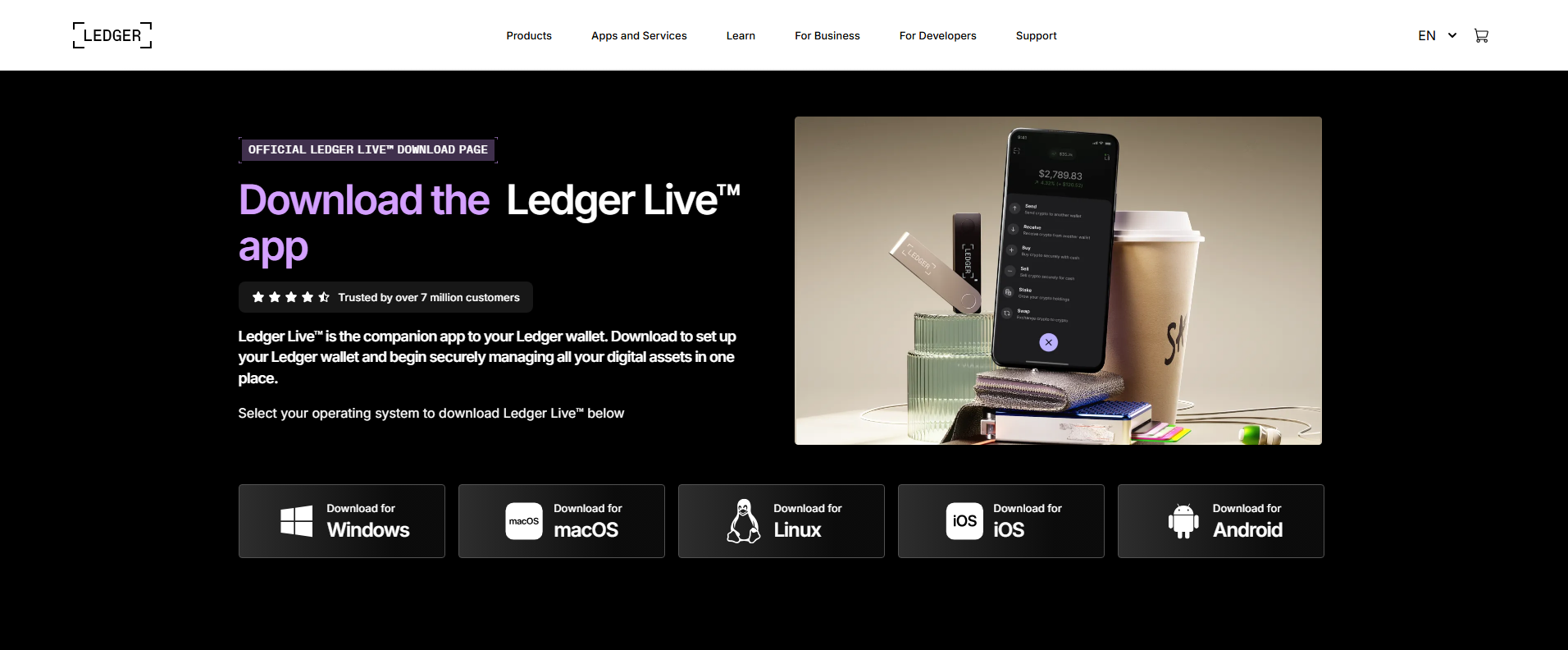
Ledger Live Login: A Beginner’s Guide to Secure Wallet Access and Management
Getting started with cryptocurrency management often involves learning several concepts at once, including hardware wallets, wallet applications, account addresses, transaction approvals, and recovery information. For users searching for Ledger Live login, understanding how the software works with a compatible Ledger hardware wallet can make the overall experience much easier.
Ledger Live is designed to provide an interface for managing supported cryptocurrency accounts and interacting with a compatible Ledger device. Instead of treating the application like a conventional online banking portal, users should understand the different roles of the software and physical hardware wallet. This approach can help reduce confusion and encourage safer wallet-management habits.
Understanding Ledger Live Login
Ledger Live login can describe the process of accessing the Ledger Live application and beginning a wallet-management session. The experience differs from traditional websites where users normally enter an email address and password to access an online account.
With a hardware-wallet setup, the physical device is an important component of security. Ledger Live can provide the interface for viewing accounts and managing supported assets, while sensitive transaction authorization can involve confirmation through the connected hardware device.
Why Secure Access Is Important
Cryptocurrency transactions generally require greater attention because blockchain transfers may not be reversible. A mistake involving an address, network, or transaction amount can result in an unwanted transfer.
For this reason, accessing Ledger Live should be treated as part of a broader security routine. Users should verify the software source, protect their recovery information, and carefully review important requests instead of automatically approving every prompt.
Preparing Your Computer
Before using Ledger Live, users should make sure their computer is reasonably secure and up to date. Avoid installing wallet software on a computer that is known to contain suspicious programs or has been compromised.
Users should also avoid downloading applications from unknown websites. Search results can sometimes include misleading advertisements or pages designed to imitate legitimate wallet resources.
A careful setup begins with verifying where the software comes from before connecting a hardware wallet.
Starting a Ledger Live Session
After obtaining the appropriate software, users can open Ledger Live and connect their compatible Ledger hardware wallet when required. The available options can differ according to the device model and software version.
Users should read the prompts displayed by the application rather than clicking through them automatically. If an unexpected request appears, particularly one asking for confidential wallet information, the safest approach is to stop and investigate.
How the Hardware Wallet Fits In
Ledger Live and a Ledger hardware wallet serve different purposes. The application offers a convenient environment for account and asset management, while the physical device provides an additional security layer for sensitive operations.
This distinction is important because users should not assume that simply accessing the desktop application gives another person control of their cryptocurrency. The hardware device remains an important part of transaction authorization.
Managing Cryptocurrency Accounts
After accessing Ledger Live, users can work with supported cryptocurrency accounts. Depending on the asset and network, account setup may involve installing or using the appropriate blockchain application and selecting the correct account.
Users should pay close attention to network names and asset types. Sending an asset through an incompatible network can create problems, so account information should always be checked before initiating a transaction.
Reviewing Wallet Balances
Ledger Live can make it easier to monitor supported accounts and view portfolio information from a desktop environment. This can be particularly useful for users who manage several accounts or different types of digital assets.
Portfolio figures can change as cryptocurrency prices move. Therefore, displayed values should not automatically be interpreted as fixed cash values or guaranteed market prices.
Receiving Digital Assets
When receiving cryptocurrency, the sender needs an appropriate wallet address. Users should verify that the address belongs to the intended account and corresponds with the correct network.
Copying an address from an unknown message or website can introduce unnecessary risk. Before sharing a receiving address, users should carefully review the account information and verify important details when possible.
Checking Transactions Before Approval
One of the most important habits when using Ledger Live is carefully reviewing transactions before signing them.
Users should check the destination address, asset, network, and amount. When transaction information is presented on the physical hardware wallet, it should also be reviewed before approval.
If the information displayed on the device differs from what was expected, the transaction should not be confirmed until the reason for the difference is understood.
Keeping Your Recovery Information Private
A recovery phrase is highly sensitive and should remain under the user's control. It should never be treated like an ordinary password that can be submitted to customer support or a website.
Users should never enter recovery information into an online login page, support form, chat conversation, email, or unfamiliar application.
Anyone requesting a recovery phrase should be treated with extreme caution. Keeping this information private is one of the most important responsibilities associated with hardware-wallet ownership.
Identifying Fake Ledger Login Pages
People searching for Ledger Live login may encounter websites that attempt to imitate genuine wallet services. Phishing pages can use familiar branding and convincing language to create a false sense of security.
Users should carefully inspect the source of any website before entering information or downloading software. A professional-looking page does not guarantee that it is legitimate.
Unexpected requests for recovery phrases, private information, or unusual verification steps should be considered warning signs.
Beware of Fake Support
Fraudulent support messages can also target cryptocurrency users. A scammer may claim that an account has been blocked, that a wallet needs synchronization, or that funds require verification.
Such messages may attempt to create urgency so that users act without checking the situation. Legitimate wallet security practices do not require users to hand over confidential recovery information to random support contacts.
Keeping Wallet Software Current
Software updates can improve compatibility and address known issues. Users should keep their wallet software reasonably current while making sure updates are obtained through trusted channels.
A fake update notification can be just as dangerous as a fake login page. Users should avoid downloading wallet updates from links received through unexpected messages or unfamiliar websites.
Common Ledger Live Access Mistakes
Beginners can encounter several avoidable problems while learning to use Ledger Live. These may include connecting the wrong device, selecting an incorrect account, using an unsupported network, approving a transaction without reviewing it, or following instructions from an unverified website.
Another major mistake is entering recovery information into a supposed login or troubleshooting page. Recovery information should remain private regardless of how convincing the request appears.
Verifying Information on the Physical Device
A computer screen can display useful information, but users should pay attention to details presented directly on the hardware wallet when transaction confirmation is required.
The physical device provides an additional opportunity to verify important transaction information. If the destination address or amount appears different from what was intended, users should stop rather than approve the transaction.
Creating Safer Ledger Live Habits
Secure wallet management is an ongoing process. Users should maintain updated software, protect their recovery phrase, verify wallet addresses, avoid suspicious links, and carefully review transactions.
It is also helpful to avoid making cryptocurrency decisions under pressure. Messages that demand immediate action or threaten instant account loss should be independently verified before anything is approved.
What to Do When Login Activity Looks Unusual
If a Ledger Live login request or wallet prompt appears unexpected, users should pause before entering information or approving an action.
They can review the software source, check the connected hardware wallet, and consult trusted documentation. Most importantly, users should never attempt to solve an access problem by revealing their recovery phrase.
Final Thoughts
Understanding Ledger Live login is about more than simply opening wallet software. Users should know how the application interacts with a compatible Ledger hardware wallet and why the physical device remains an important part of transaction security.
Safe cryptocurrency management depends on careful verification, private recovery information, trusted software, and awareness of phishing attempts. By developing these habits, users can use Ledger Live as a convenient environment for managing supported digital assets while maintaining a more security-conscious approach to wallet access and transactions.
Updated about 3 hours ago